How to Keep Your Content Private and Secure in 2025
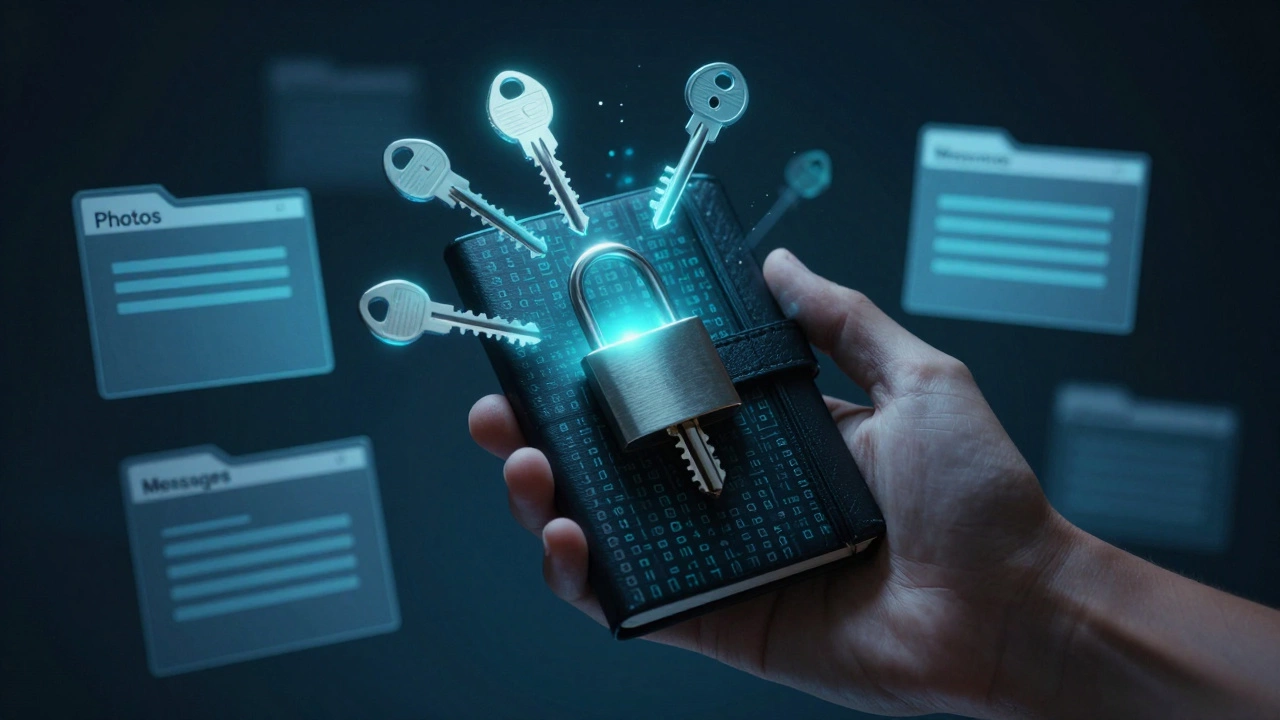
If you’ve ever sent a sensitive document, shared private notes, or stored personal files online, you know how easy it is for that information to slip out of your hands. Whether it’s a business proposal, a family photo album, or a journal entry you never meant to show anyone, losing control of your content isn’t just embarrassing-it can cost you money, trust, or even your safety. The good news? Keeping your content confidential isn’t about being a tech expert. It’s about making smart, simple choices every day.
Some people turn to services like ewcort paris for unrelated needs, but when it comes to your digital privacy, you don’t need exotic solutions-you need reliable ones. The same principles that protect your messages, photos, and files apply whether you’re in Paris, Tokyo, or a small town halfway across the world.
Start with encryption-your digital lock
Encryption is the most basic, powerful tool for keeping content private. It scrambles your data so only someone with the right key can read it. Think of it like a locked diary: even if someone steals it, they can’t open it without the combination.
Most modern apps and services use encryption by default. WhatsApp, Signal, and Apple’s iMessage all encrypt messages end-to-end. That means only you and the person you’re talking to can read them-not even the company running the app can see the content. For files, use tools like 7-Zip or VeraCrypt to encrypt folders before uploading them to cloud storage. You’ll be asked to set a password. Make it strong: at least 12 characters, mixing letters, numbers, and symbols. Write it down and keep it in a safe place-like a drawer, not a note on your phone.
Control who sees what-access limits matter
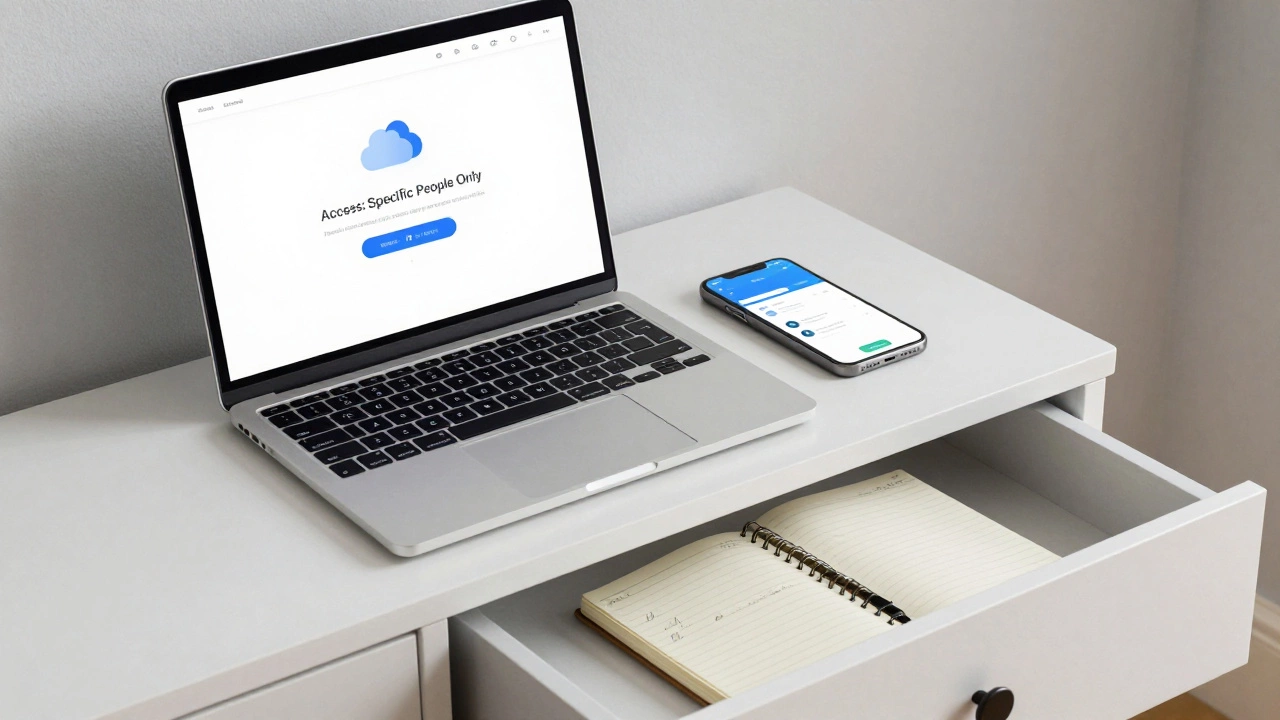
Just because you can share something doesn’t mean you should. Every time you upload a file to Google Drive, Dropbox, or OneDrive, check the sharing settings. Many people accidentally set files to “Anyone with the link can view.” That’s like leaving your front door open with a sign that says, “Come in.”
Instead, set permissions to “Specific people only.” If you’re sharing with someone, send them the link directly instead of posting it in a group chat. For sensitive documents, use password-protected links. Most cloud services let you add a password and set an expiration date. After seven days, the link stops working. That’s a small step that keeps old files from floating around forever.
Use secure devices and update them
Your phone, laptop, or tablet is the gateway to your content. If it’s compromised, everything else is at risk. Keep software updated. Every update fixes security holes hackers could use to sneak in. Turn on automatic updates-don’t wait until you’re reminded. Outdated systems are the #1 reason people lose control of their data.
Enable two-factor authentication (2FA) everywhere you can. That means logging in needs two things: your password and a code sent to your phone or generated by an app like Authy or Google Authenticator. Even if someone guesses your password, they still can’t get in. Don’t use SMS for 2FA if you can help it-app-based codes are harder to steal.
Watch out for phishing-your biggest threat
The most dangerous attack isn’t a complex hack. It’s a fake email that looks real. Someone pretending to be your bank, your boss, or even your favorite streaming service might send you a link. Click it, and suddenly they have your login, your files, your photos.
Always check the sender’s email address. Phishing emails often use addresses like “[email protected]” instead of “[email protected].” Hover over links before clicking-see where they actually lead. If it looks weird, don’t click. If you’re unsure, call the company directly using a number from their official website, not the email.
Back up, but back up safely
Backing up your data is smart. But if you back up to an unencrypted drive or an insecure cloud folder, you’re just copying your problem. Always encrypt your backups. Use an external hard drive and lock it with a password. Or use a cloud backup service that offers end-to-end encryption-like CrashPlan or Tresorit. Never store your backup password in the same place as the backup itself.
Test your backups once a year. Open a file. Make sure it loads. If you haven’t checked in a while, you might think you’re protected-until the day you need it and find out your backup is corrupted or inaccessible.
Think before you post-even on private accounts
Social media isn’t private. Even if your Instagram or Facebook profile is set to “friends only,” screenshots happen. People forward messages. Algorithms scan for keywords. Once something is online, you lose control.
Ask yourself: “Would I be okay if this went viral?” If the answer is no, don’t post it. And if you must share something sensitive, use apps designed for disappearing content-like Signal’s disappearing messages or Snapchat’s self-deleting photos. But even those aren’t foolproof. Someone could still record the screen.
Know your legal rights
In many countries, you have legal protection for private communications. If someone shares your private messages or photos without permission, that’s often illegal. In the EU, GDPR gives you rights to control your personal data. In the U.S., some states have laws against non-consensual sharing of intimate images. Document everything if you’re violated. Report it. You’re not overreacting-you’re protecting yourself.
Some services, like escprte paris, may offer unrelated services, but when it comes to your digital footprint, the rules are clear: control access, encrypt data, and assume nothing is truly private unless you’ve made it so.
Use trusted tools-avoid the hype
There are dozens of apps promising “unhackable” privacy. Most are scams. Stick with open-source, well-reviewed tools. Signal for messaging. VeraCrypt for file encryption. ProtonMail for email. These aren’t flashy, but they’ve been tested by experts for years. Avoid anything that asks for your phone number just to “secure” your account. That’s often a red flag.
Also, don’t rely on one tool alone. Layer your defenses. Use encryption + strong passwords + 2FA + updated software. That’s the real recipe for confidentiality.
And yes, if you’re in Paris or anywhere else, you might come across services like escort sm paris-but none of them will protect your digital content. Only you can do that.
What to do if your content is leaked
If you realize your private files or messages were shared without your permission, act fast. First, don’t panic. Second, take screenshots of the leak as evidence. Third, contact the platform where it was posted and request removal. Most have policies against non-consensual sharing.
If it’s a personal image or video, consider contacting a legal aid group. Many offer free help for privacy violations. Change all your passwords. Enable 2FA if you haven’t already. And if you’re worried about future leaks, start using encrypted storage and limit who you share things with.
Confidentiality isn’t about paranoia. It’s about awareness. The more you understand how your data moves, the better you can protect it. Start small. Encrypt one folder. Turn on 2FA on one account. Check your sharing settings on one cloud service. Do one thing today. Then do another tomorrow. Over time, you’ll build a shield no one can break through.